
 352-639-5270




Explore essential web design customer service tips that build better client relationships, increase retention, and drive business growth across Florida with GNV Web Design.
The Foundation of Client Satisfaction in Web Design
Web design customer service is the backbone of successful client relationships in the digital design industry. It goes beyond creating beautiful websites to include how you communicate, respond to needs, and support clients throughout their journey.
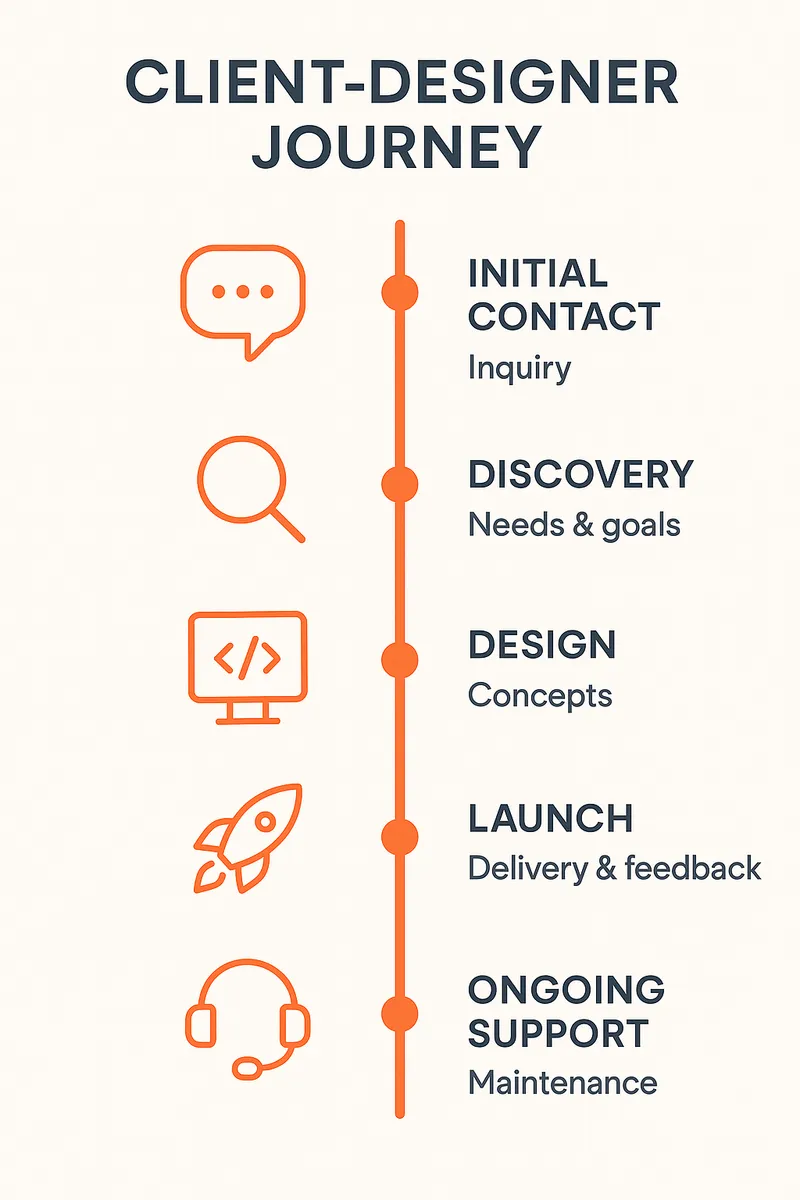
For quick reference, here are the essentials of excellent web design customer service:
| Key Element | Why It Matters |
|---|---|
| Clear Communication | Helps bridge the technical knowledge gap |
| Rapid Response | 66% of adults value fast, efficient service |
| Personalized Approach | Creates loyalty and referrals |
| Technical Expertise | Builds confidence and trust |
| Ongoing Support | Ensures long-term satisfaction |
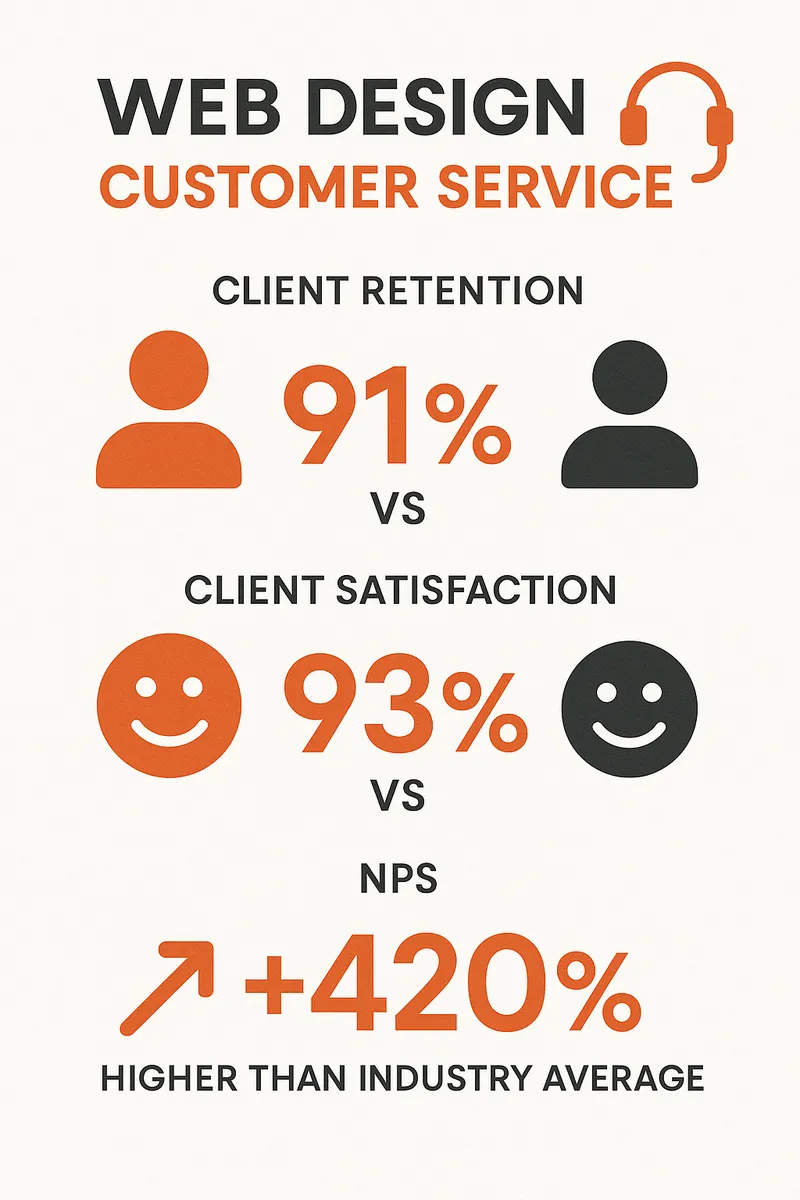
Great websites aren't just about code and graphics—they're about relationships. According to research, 94% of consumers are likely to purchase again after a positive service experience. For web design companies, this translates to a 91% client retention rate when customer service is prioritized, compared to the industry average of just 50%.
"The customer is more important than the company." - This fundamental principle separates exceptional web design agencies from the rest.
The most successful web design companies understand that their work begins with listening. Before a single pixel is placed, understanding client goals, audience needs, and business requirements creates the foundation for success. This approach transforms the traditional "pump and dump" model of website creation into a collaborative partnership.
Small web design businesses actually have an edge here. Without the bureaucracy of larger agencies, they can provide more personal, flexible service that adapts quickly to client needs. This advantage shows in the numbers—agencies that focus on customer service experience a 420% higher NPS® score than the industry average.
The Importance of Web Design Customer Service
In today's digital era, websites have evolved from optional luxuries to absolute necessities. With nearly 60% of the global population actively using the internet, your online presence speaks volumes before you ever say a word. But here's the thing – what truly sets exceptional web designers apart isn't just coding skills or design flair. It's web design customer service that makes all the difference.
Why Customer Service Matters in Web Design
When you partner with a web design company, you're not just buying a product – you're entering a relationship. Client retention is the lifeblood of successful web design businesses, and the numbers don't lie. It costs five times more to attract a new client than to keep an existing one happy. Agencies that prioritize customer service enjoy a remarkable 91% retention rate, nearly double the industry average of 50%. That's not just good service – that's good business.
Great service creates natural ambassadors for your brand. As one delighted client from Hollow Hill Event Center put it: "Thrive has been wonderful to work with. There was a whole team behind getting my project done, and I got to be a part of it. There were no unpleasant surprises, and I was kept up to date through the entire project." This kind of word-of-mouth marketing is priceless.
Higher conversion rates naturally follow when clients feel supported throughout their journey. When they trust you, they're more likely to approve designs, implement recommendations, and explore additional services. This trust can boost conversion rates from the industry average of 2-5% to well above 5%.
In competitive markets like Gainesville, Tampa, Jacksonville, Tallahassee, and Ocala, competitive differentiation often comes down to service quality. When multiple agencies offer similar technical capabilities, how you treat your clients becomes your superpower.
The impact on your bottom line is substantial. Research shows that just a 5% increase in client retention can boost profits anywhere from 25% to a whopping 95%. For web design agencies, this translates to more stable, predictable revenue streams and healthier business growth.
About 95% of users consider website design crucial for establishing trust. But that trust isn't just about the final product—it encompasses the entire experience of working with your agency, from first contact to final launch and beyond.
"Clients might be unfamiliar with certain terminologies in our profession, and what you think they mean might be different to what they actually mean."
This truth highlights one of the fundamental challenges in web design customer service: bridging the knowledge gap between professionals and clients. When we speak in industry jargon, we're not being helpful – we're creating barriers. Breaking down these barriers through exceptional service isn't just good business—it's essential for successful project outcomes and healthy brand reputation.
At GNV Web Design, we believe that exceptional web design customer service is about making complex processes simple and transparent for our clients. It's about treating each business's website as if it were our own, with the care and attention it deserves. Because when your clients succeed online, you succeed too – and that's the foundation of sustainable business growth.
Essential Elements of Effective Web Design Customer Service
Creating a strong foundation for web design customer service requires integrating several key elements into your agency's approach. At GNV Web Design, we've identified these critical components that have helped us maintain our high client satisfaction rates across Florida.

Core Elements of Exceptional Web Design Customer Service
When it comes to delivering outstanding customer service in web design, it's not just about creating beautiful websites—it's about creating meaningful experiences for your clients.
At the heart of great service is a client-centered approach. The website isn't being built for your portfolio—it's for your client and their customers. This shift in perspective changes everything about how you approach a project.
Equally important is maintaining transparent processes throughout the project lifecycle. We've found that clients appreciate knowing exactly what to expect, when to expect it, and what their role will be at each stage. This transparency builds trust and reduces anxiety, especially for clients who may be unfamiliar with web design.
Proactive communication can make all the difference between a stressed client and a confident one. Don't wait for them to reach out with questions or concerns—take the initiative to provide regular updates, even when there's not much new to report. This simple practice shows clients you haven't forgotten about them and their project is actively moving forward.
A challenge in web design customer service is the technical translation needed between professionals and clients. When we explain concepts like responsive design or content management systems, we make sure to use everyday language and relatable examples. This isn't about "dumbing down" information—it's about making it accessible.
The web design process rarely follows a perfectly straight line, which is why flexibility is crucial. While maintaining quality standards, be willing to adapt your processes to accommodate client needs and unexpected changes in direction.
When mistakes happen (and they will), accountability builds rather than damages client relationships. Taking responsibility promptly and fixing issues without pointing fingers or adding charges (when appropriate) turns potential negatives into relationship-strengthening opportunities.
Great service is always evolving through continuous improvement. We regularly ask clients what we could do better and actually implement their feedback. This not only improves our service but shows clients we value their input.
Finally, accessibility ensures clients never feel left in the dark. Being available through multiple channels—phone, email, chat—and responding promptly creates confidence that support is always available when needed.
Industry research backs up the importance of these elements, showing that websites designed with strong customer service principles experience an average 40% increase in user engagement.
Effective Communication in Web Design Customer Service
Communication isn't just one aspect of web design customer service—it's the foundation upon which everything else is built. It bridges the gap between your technical expertise and your client's vision.

Active listening might be the most underrated skill in web design. It's about hearing not just what clients say they want, but understanding what they're truly trying to accomplish. As one customer service expert put it: "For complex problems, good customer service looks like active listening and even finding questions like, 'What troubleshooting have you already done for this?' It also looks like repeating back the problem statement to the customer before offering a solution so that we are both on the same page."
The web design world is full of technical jargon that can leave clients feeling confused or intimidated. Jargon-free explanations are essential—terms like "responsive design," "CSS," or "API integration" need translation into everyday language. When clients understand what you're talking about, they make better decisions and feel more confident in the process.
Silence breeds uncertainty in client relationships. Regular updates, even when there's not much new to report, prevent clients from wondering if their project has been forgotten. A simple weekly check-in can work wonders for client confidence.
Collaborative tools have transformed how we work with clients. Using project management platforms that allow clients to see progress in real-time creates transparency and engagement throughout the process. They can provide feedback, ask questions, and feel like true partners rather than passive observers.
Clear documentation of meetings and decisions serves as both a roadmap and a reference point. When questions arise later (and they always do), having written summaries prevents misunderstandings and keeps everyone aligned.
At GNV Web Design, implementing these communication practices has significantly reduced revision requests and increased client satisfaction across our service areas in Gainesville, Tampa, Jacksonville, Tallahassee, and Ocala.
Responsiveness and Reliability in Web Design Customer Service
In today's digital environment, speed and dependability aren't just nice-to-haves—they're essential components of web design customer service. Research shows that 66% of adults say valuing their time is the most important aspect of service they receive.
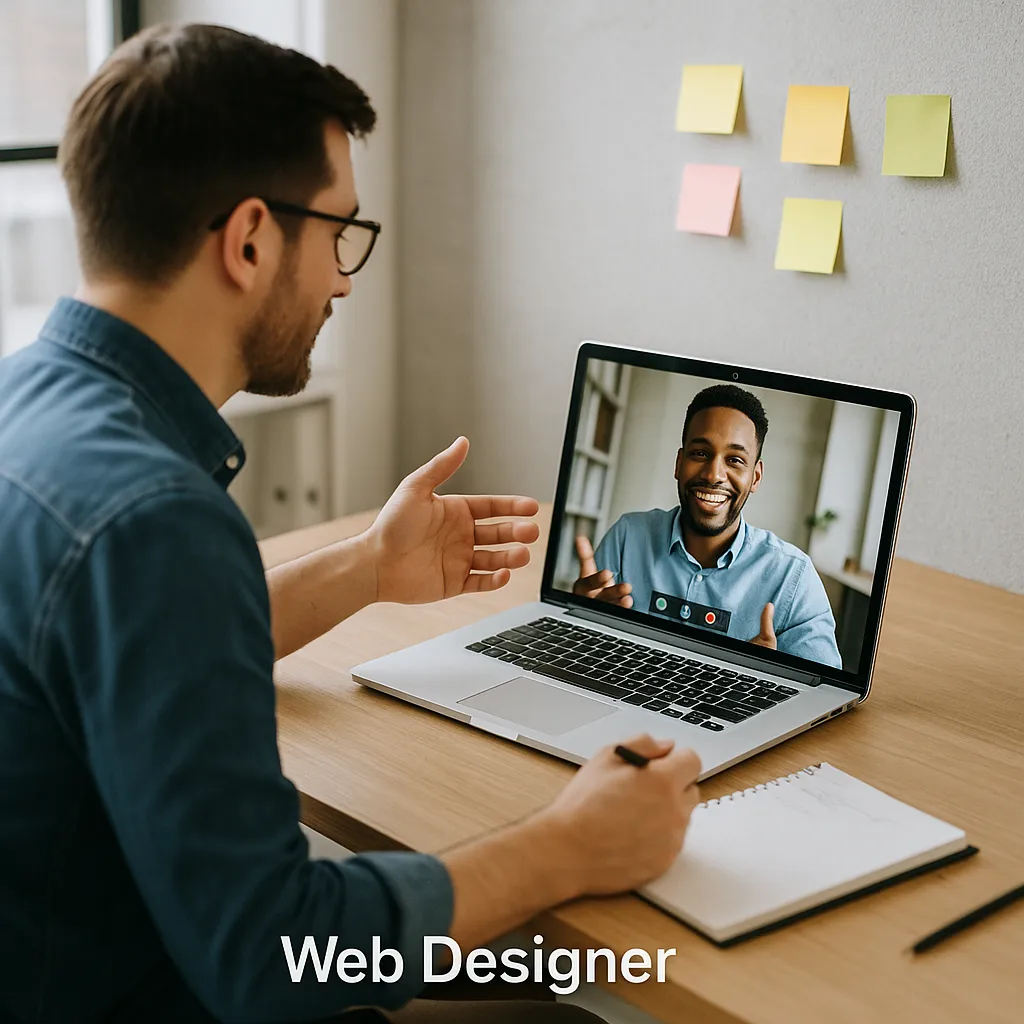
Same-day responses should be the minimum standard for client communications. Even if you can't provide a complete answer immediately, acknowledging receipt and setting expectations for when you'll follow up shows respect for the client's time and concerns.
Every web design agency should have clear emergency protocols in place. Website outages or critical bugs can significantly impact a client's business, and having established procedures for handling these urgent issues demonstrates professionalism and care.
Being clear about your availability windows while providing emergency contact options for truly urgent situations helps manage client expectations. They'll know when they can expect responses during normal business hours and what to do if something critical arises outside those times.
Perhaps nothing builds trust more consistently than follow-through. When you promise to deliver something by a specific date, meeting that deadline shows reliability. And when circumstances change (as they sometimes do), communicating proactively before the deadline passes demonstrates respect and professionalism.
Many agencies make the mistake of being highly responsive during the sales process, then becoming harder to reach once the contract is signed. Consistent support throughout the entire project lifecycle is essential for building lasting relationships and earning referrals.
As one web design professional shared, "I was honestly surprised that my company was such a runaway success, not because of pricing or features, but because customers loved that they could speak to a real person." This highlights how simply being accessible and responsive can become a significant competitive advantage.
At GNV Web Design, we've implemented systems ensuring no client inquiry goes unanswered for more than 4 business hours. This commitment to responsiveness has been a key factor in our growth throughout Florida, turning satisfied clients into enthusiastic advocates for our services.
Overcoming Common Challenges in Web Design Customer Service
Let's face it – even the most client-focused web design agencies hit bumps in the road. At GNV Web Design, we've learned that acknowledging these challenges head-on is half the battle in delivering exceptional web design customer service.
Think about the last time you explained how a website works to someone who's never built one. Not so easy, right? Communication barriers are probably the most common challenge we face. When you're fluent in the language of CSS and responsive design, it's easy to forget that these terms sound like alphabet soup to many clients.
Then there's the infamous scope creep – that moment when a simple website project somehow transforms into building the next Facebook. We've all been there! One client request leads to another, and suddenly your timeline and budget are stretched thin.
Unrealistic expectations can also throw a wrench in the works. "Can we have this live by Friday?" (It's Wednesday afternoon.) Or my personal favorite: "It's just a small change" – which often turns out to be anything but small!
Balancing client feedback with best practices is another delicate dance. Sometimes what a client wants might actually hurt their website's performance or user experience. Finding tactful ways to guide them toward better solutions without dismissing their ideas takes real skill.
And yes, occasionally you'll encounter difficult personalities – the indecisive client who changes direction with every meeting or the perfectionists who never quite feel ready to launch. These situations test your patience and problem-solving abilities.
One web designer we know puts it perfectly: "Make your terms clear." Having detailed contracts that specify what constitutes free customer service versus billable work saves everyone headaches down the road. When both parties understand the boundaries, relationships flourish.
Strategies for Managing Client Expectations in Web Design Customer Service
The secret sauce to preventing most service issues? Setting clear expectations from day one. This starts with a thorough findy process where we dig deep into understanding not just what clients want, but why they want it. This investment of time upfront pays huge dividends throughout the project.
Creating comprehensive proposals is another game-changer. At GNV Web Design, our project documents spell out exactly what we're delivering, when it's coming, who's responsible for what, and most importantly – what's not included. This clarity helps prevent those awkward "I thought that was part of the package" conversations later.
We've also found that taking an educational approach works wonders. When clients understand why we recommend certain design decisions, they're more likely to trust our expertise. Instead of just saying "no" to a request that might hurt their website, we explain the reasoning and offer alternatives.
Regular milestone reviews keep everyone on the same page. These checkpoints give clients opportunities to provide feedback early when changes are easier and less costly to implement. It's much better to make adjustments during development than after everything is built!
One strategy that consistently delivers results is slightly under-promising and over-delivering. As one agency owner shared, "Under sell and over deliver by providing unexpected bonuses or courtesies to loyal customers." That moment when you throw in a little extra something the client wasn't expecting? Pure gold for relationship building.
Having clear change management procedures is essential too. When a client wants to add features mid-project, having an established process for evaluating the impact on timeline and budget prevents misunderstandings. At GNV Web Design, we use change request forms that outline exactly how modifications affect the project scope.
Finally, we've learned to be crystal clear about post-launch support. Many clients don't realize that websites need ongoing maintenance after going live. Defining what support is included after launch and what requires additional investment helps set realistic expectations for the long-term relationship.
Across our service areas in Florida, we've found that these strategies not only reduce challenges but actually transform potential problem points into opportunities to demonstrate our commitment to exceptional web design customer service. When challenges do arise (and they will!), having these foundations in place makes finding solutions much easier for everyone involved.
Leveraging Technology to Improve Customer Service
Technology has transformed how we deliver web design customer service in ways we couldn't have imagined just a few years ago. At GNV Web Design, we've found that the right digital tools don't just make our jobs easier—they genuinely improve the experience our clients have throughout their website journey.
Think about it: remember when making a simple website change meant calling your designer, explaining what you wanted, waiting for them to make the edit, and then reviewing it days later? Those days are thankfully behind us.
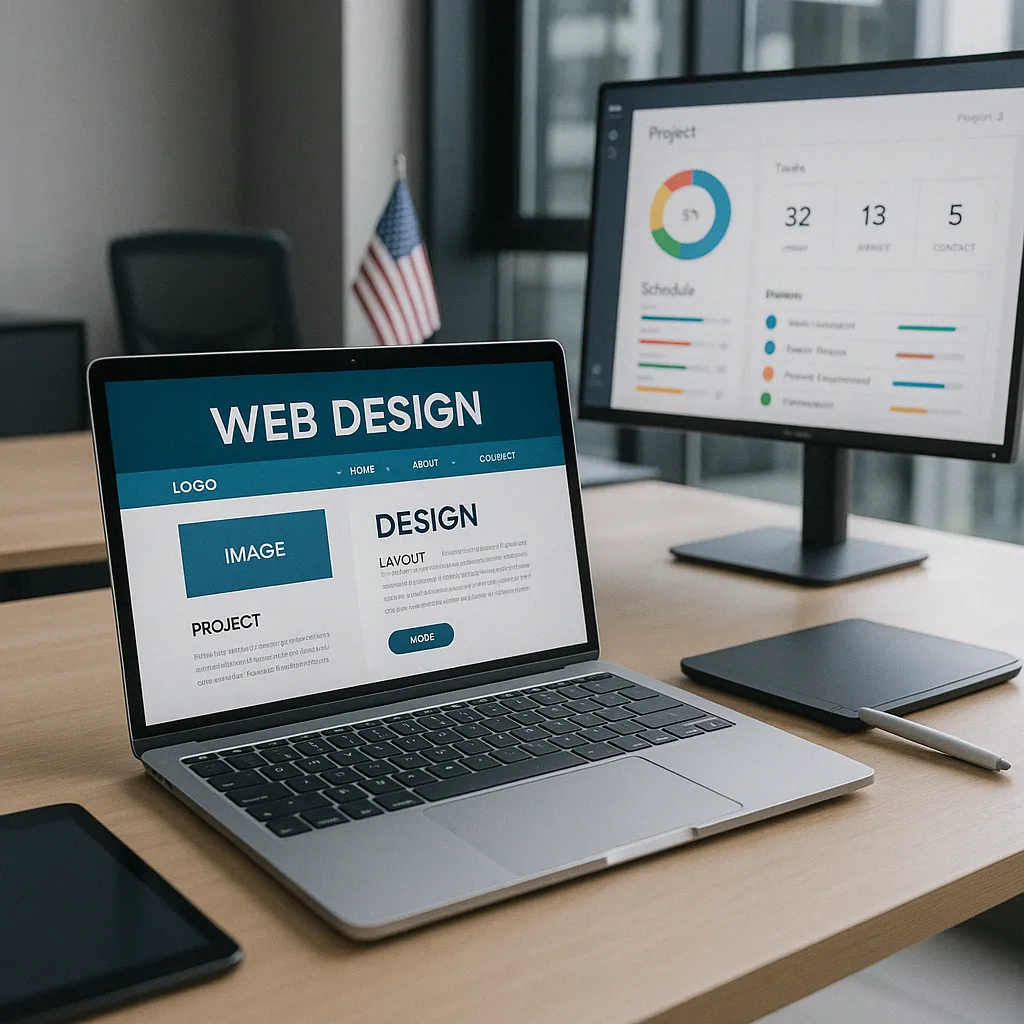
Today, we use project management platforms that bring transparency to every step of the design process. Our clients in Gainesville, Tampa, Jacksonville, Tallahassee, and Ocala love being able to log in and see exactly where their project stands, what's happening next, and who's working on what. This visibility eliminates the dreaded "black box" feeling that used to be common in web design.
We've also adopted design collaboration tools that let clients provide feedback directly on their designs. Instead of trying to describe that "the blue should be a bit more teal" in an email, clients can point, comment, and even draw right on the design itself. It's like we're sitting side by side, even when we're miles apart.
Perhaps most valuable are secure client portals—one-stop destinations where all project files, communications, and resources live. No more digging through email threads from three months ago to find an important document. Everything is organized, searchable, and available whenever our clients need it.
The Role of Live Chat in Web Design Customer Service
Have you ever had a quick question but hesitated to pick up the phone or send an email because it seemed too small to bother someone about? That's exactly the gap that live chat fills in web design customer service.
Live chat has become our secret weapon for building client confidence. When a client can instantly connect with us about a small concern, it prevents that concern from growing into a bigger issue. The immediacy of chat means questions get answered while they're still fresh, and decisions can move forward without unnecessary delays.
We've found that clients who might never pick up the phone to ask a "silly question" will happily use chat for the same query. This lower barrier to communication means we catch potential misunderstandings early and build stronger relationships through more frequent positive interactions.
There's also a practical efficiency benefit—our team can handle multiple chat conversations simultaneously, unlike phone calls that demand our full attention. This means we can be responsive to more clients throughout the day without sacrificing the quality of our service.
The numbers back this up too. Websites with live chat functionality experience conversion rates 2.8 times higher than those without. For our web design clients who implement chat on their own sites, this translates directly to more leads and sales.
You can learn more about the power of real-time support by checking out What is Live Chat and Why Your Customers Love It.
Benefits of Using a CMS in Web Design Services
Content Management Systems (CMS) have completely revolutionized the relationship between web designers and their clients. Remember when every tiny website update required calling your designer? Those days are gone, and both sides are happier for it.
The beauty of a well-implemented CMS like WordPress is the freedom it gives our clients. Need to update your hours of operation? Add a new team member? Post a company announcement? With proper training, clients can make these changes themselves, exactly when they need to, without waiting for us or incurring additional charges.
Client empowerment is at the heart of good web design customer service. When we build a site with a thoughtfully configured CMS, we're not just delivering a product—we're transferring knowledge and control to our clients. This independence creates confidence and satisfaction that simply wasn't possible in the early days of web design.
That said, we're careful to create structured environments where clients can make updates without accidentally breaking their design. The freedom to change content shouldn't come with the fear of destroying your website! Our custom WordPress dashboards are designed to be intuitive while preserving the integrity of the site's design and functionality.
The training sessions we provide are more than just technical instruction—they're relationship-building opportunities. These sessions give us a chance to work closely with our clients, understand their specific needs, and customize their experience accordingly.
Perhaps most importantly, CMS-based websites create opportunities for ongoing value. Regular updates, security patches, and feature improvements mean we can continue supporting our clients long after the initial build, ensuring their sites remain secure, functional, and up-to-date.
For more insights on how we approach website design with users in mind, check out our article on The Customer is Always Right: How to Design User-Centric Websites.
By thoughtfully implementing these technologies, we've created a service experience that balances immediate support with client independence—giving our clients the best of both worlds and building relationships that last for years.
Best Practices for Maintaining High-Level Customer Service in Web Design
Exceptional web design customer service isn't something you achieve once and forget about. It's more like tending a garden—requiring consistent attention, care, and adaptation as conditions change. At GNV Web Design, we've cultivated our approach over years of serving clients across Florida, resulting in our impressive 93% client satisfaction score.
The foundation of outstanding service begins with treating each client as an individual with unique needs and preferences. Personalization means remembering not just their project details, but also their communication preferences, business challenges, and even personal touches like asking about their recent vacation or family event you discussed previously. These small gestures build genuine connections that transform transactional relationships into lasting partnerships.
One practice that has dramatically improved our service quality is proactive communication. Rather than waiting for clients to reach out with questions or concerns, we've implemented regular check-in schedules, providing updates even when there's not much new to report. This approach prevents the anxiety clients often feel during quiet periods and demonstrates our ongoing commitment to their project.
"Customer service is not just a department—it's an internal culture that must be felt and lived by every member of the company," shared one agency owner whose philosophy we've adopted wholeheartedly. This mindset has proven essential as we've grown our presence across Gainesville, Tampa, Jacksonville, Tallahassee, and Ocala.
To maintain and improve our service standards, we've implemented regular continuous education sessions for our team. These cover both technical skills and customer service techniques, ensuring everyone has the tools they need to solve problems effectively and compassionately. We've found that investing in our team directly translates to better client experiences.
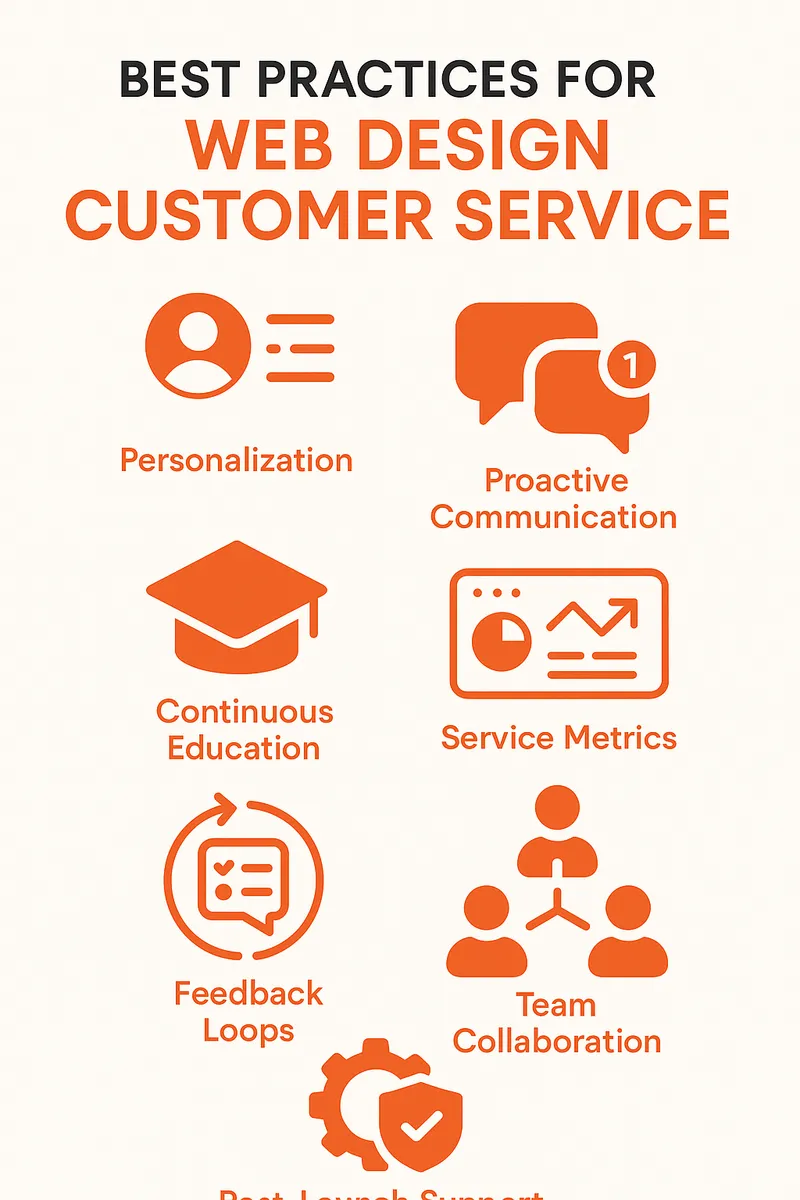
What gets measured gets managed, which is why we've established clear service metrics that we track religiously. Response times, client satisfaction scores, and retention rates give us objective insights into how we're performing. When we notice a metric slipping, we can address it before it becomes a larger issue affecting multiple clients.
Perhaps the most valuable tool in our service arsenal is our robust feedback loop. We regularly ask clients what we could be doing better through surveys, casual check-ins, and formal reviews. The critical difference in our approach is that we actually implement changes based on this feedback. Clients notice when their suggestions lead to real improvements, reinforcing that we truly value their input.
Implementing a Culture of Service Excellence
Building a genuine culture of service excellence starts at the top. Our leadership team consistently leads by example, handling client interactions with the same care and attention they expect from everyone else. This creates a powerful ripple effect throughout the organization that no amount of training or policy documents could achieve.
We make a point of celebrating service wins during our weekly team meetings. When someone goes above and beyond for a client—staying late to fix an urgent issue or finding a creative solution to a challenging problem—we recognize that effort publicly. These celebrations reinforce what we value as a company and inspire others to provide the same level of care.
The emotional rewards of great service are reinforced when we share client success stories. There's nothing more motivating than hearing how a website we built helped a local restaurant increase reservations by 40% or enabled a nonprofit to double their donations. These stories remind us that our work has real impact on real businesses.
Our "client advocate" role has been particularly effective in maintaining service quality as we've grown. This team member represents the client's interests throughout the project, ensuring their voice is heard in all decisions. It's an approach that has significantly improved our ability to meet and exceed expectations, especially for clients who might be less comfortable speaking up.
We've learned that when you empower your team to make decisions that benefit clients without requiring multiple approvals, magic happens. Our designers and developers have the authority to add small features or make adjustments that will delight clients, even if those items weren't explicitly specified in the original scope.
While technical skills are important, we've found that our service culture is strongest when we hire for customer orientation first. You can teach someone to code, but the genuine desire to help others is much harder to instill. This priority has shaped our hiring practices and helped us build a team that truly cares about client outcomes.
Finally, we recognize that the launch of a website isn't the end of our relationship—it's often just the beginning. Our structured post-launch support programs ensure clients continue to receive value long after their site goes live. From maintenance packages to regular performance reviews, we stay engaged to help their digital presence evolve alongside their business.
By consistently applying these best practices and refining our approach based on client feedback, we've maintained our reputation for exceptional web design customer service even as we've grown. It's a commitment that requires daily attention, but one that has proven well worth the investment.
Frequently Asked Questions about Web Design Customer Service
How can web design agencies personalize their customer service to meet individual client needs?
Personalization is where the magic happens in web design customer service. At GNV Web Design, we've learned that treating each client as a unique partner rather than just another project makes all the difference.
True personalization starts with listening. We begin each relationship with a simple but detailed conversation about how clients prefer to work. Some clients want weekly calls to discuss progress, while others prefer concise email updates with visual examples. Adapting to these preferences shows clients we value their time and working style.
We also take time to understand each client's industry challenges. A restaurant website has completely different needs than a law firm's site, and acknowledging these differences helps us provide more relevant service. This industry knowledge allows us to anticipate questions and offer solutions before problems even arise.
Custom reporting is another way we personalize our service. Rather than sending generic analytics, we highlight the metrics that actually matter to each client's specific goals. A local business focused on foot traffic needs different insights than an e-commerce site trying to increase online sales.
Perhaps most importantly, we build genuine relationships with our clients. We remember the personal details they share, celebrate their business milestones, and check in even when we don't have project updates to discuss. As one of our team members puts it: "Put yourself in their shoes. Would you enjoy your service experience if you were in the client's position?"
This empathetic approach has helped us maintain strong relationships with clients across Gainesville and beyond.
How do web design services incorporate feedback and revisions from clients?
Handling feedback and revisions gracefully is where many web design relationships either blossom or break down. At GNV Web Design, we've developed an approach that turns this potentially stressful process into a collaborative opportunity.
We start by setting clear expectations about revision rounds. Our clients know exactly how many rounds of revisions are included in their package and at which project stages they'll occur. This transparency prevents misunderstandings later in the process.
Instead of relying on confusing email threads to collect feedback, we use visual feedback tools that allow clients to comment directly on designs. This approach eliminates the frustration of trying to describe visual changes in words and ensures we understand exactly what the client wants.
When we receive vague feedback like "I don't like it," we don't panic – we dig deeper with three simple questions:
- Which specific element isn't working for you?
- What outcome are you hoping to achieve with this change?
- How will this improve your users' experience?
These questions transform unclear comments into actionable direction and help clients articulate what they're really looking for.
Documentation is another key part of our revision process. We keep detailed records of all requested changes and how we addressed them. This creates a helpful reference point if questions arise later and demonstrates our commitment to meeting client expectations.
Perhaps most importantly, we hold dedicated review meetings where we walk through changes together rather than simply sending updated designs. This collaborative approach builds consensus and reduces the number of revision rounds needed, saving time for everyone involved.
How can web design companies leverage technology to improve their customer service offerings?
Technology should make customer service more human, not less. The right tools help us be more responsive, transparent, and helpful to our clients without creating digital barriers.
At GNV Web Design, we've developed a custom client dashboard that brings together website analytics, maintenance status, and support requests in one convenient location. Clients can log in anytime to see how their website is performing, what maintenance we've completed, and the status of any open requests. This transparency builds trust and reduces the need for clients to reach out with basic questions.
Proactive monitoring tools alert us to potential issues before clients even notice them. Our systems automatically check for uptime, security vulnerabilities, and performance bottlenecks, allowing us to address problems before they impact the client's business. When we fix these issues proactively, we send brief updates to clients so they know we're actively protecting their investment.
We've also implemented integrated feedback systems that collect user comments directly from the live website. These insights are organized and presented to clients in a user-friendly format, helping them understand how real visitors are experiencing their site. This data often guides future improvements and demonstrates the ongoing value of our partnership.
The most powerful technology tool in our customer service arsenal is our knowledge management system. We've created a searchable repository of solutions to common questions that both our team and clients can access. This resource empowers clients to find answers quickly when they prefer self-service, while ensuring our team provides consistent, accurate information when clients reach out directly.
As we continue to grow across Florida, these technology solutions help us maintain our high service standards while scaling efficiently. However, we always remember that technology should improve human connections, not replace them. Our digital tools support our personal service rather than substituting for the human touch that makes great customer service truly memorable.
Conclusion
The digital landscape has never been more competitive, and what truly sets web design agencies apart isn't just beautiful websites or clean code—it's the human connection that comes through exceptional web design customer service.
Throughout this journey we've taken together, one thing has become crystal clear: technical expertise might get clients in the door, but it's the way you treat them that keeps them coming back year after year.
At GNV Web Design, we've built our reputation across Gainesville, Tampa, Jacksonville, Tallahassee, and Ocala on a foundation of genuine care for our clients. The numbers tell a compelling story—our 91% client retention rate towers above the industry average of 50%, our client satisfaction score hits 93% (compared to just 72% industry-wide), and our NPS® score soars 420% higher than typical agencies.
But beyond these impressive statistics lies something more meaningful: the relationships we've built with clients who started as customers and evolved into true partners. These connections don't happen by accident—they're cultivated through intentional practices that put client needs at the center of everything we do.
Exceptional service isn't about grand gestures or flashy promises. It's about the consistent, everyday interactions that demonstrate your commitment:
- The quick email response that shows you value their time
- The jargon-free explanation that bridges the knowledge gap
- The proactive update that prevents a worried phone call
- The extra time spent understanding their business goals
- The honest conversation when something isn't working as planned
These seemingly small moments add up to create a service experience that clients remember and recommend to others.
As one of our team members likes to say, "We don't aim to be the biggest web design agency in Florida—we aim to be the one that clients are most excited to work with." This philosophy has guided our approach to customer service from day one.
The beauty of focusing on customer service is that it creates a virtuous cycle. Happy clients stay longer, refer more business, and often expand their services with you. This stability allows you to invest more in your team, your tools, and your expertise—which in turn creates even better client experiences.
If you're looking for a web design partner that combines technical excellence with a genuinely human approach to service, we'd love to show you what makes us different. Our team is committed to quality, speed, unlimited edits, and the kind of responsive support that makes working together a pleasure rather than a pain point.
Ready to experience what truly client-centered web design feels like? Explore our Web Design Services and find why our clients consider us not just their web designer, but their digital partner in success.

