
 352-639-5270




Explore the realities of starting a web design agency, from market demand and pricing strategies to leveraging cutting-edge technologies and ensuring accessibility. Understand the pros, cons, and essential skills needed to succeed in this competitive industry.
The Digital Change Revolution
A web design agency is a specialized business that creates and designs visually appealing, user-friendly websites custom to meet clients' specific needs and goals. If you're considering partnering with one, here's what you need to know:
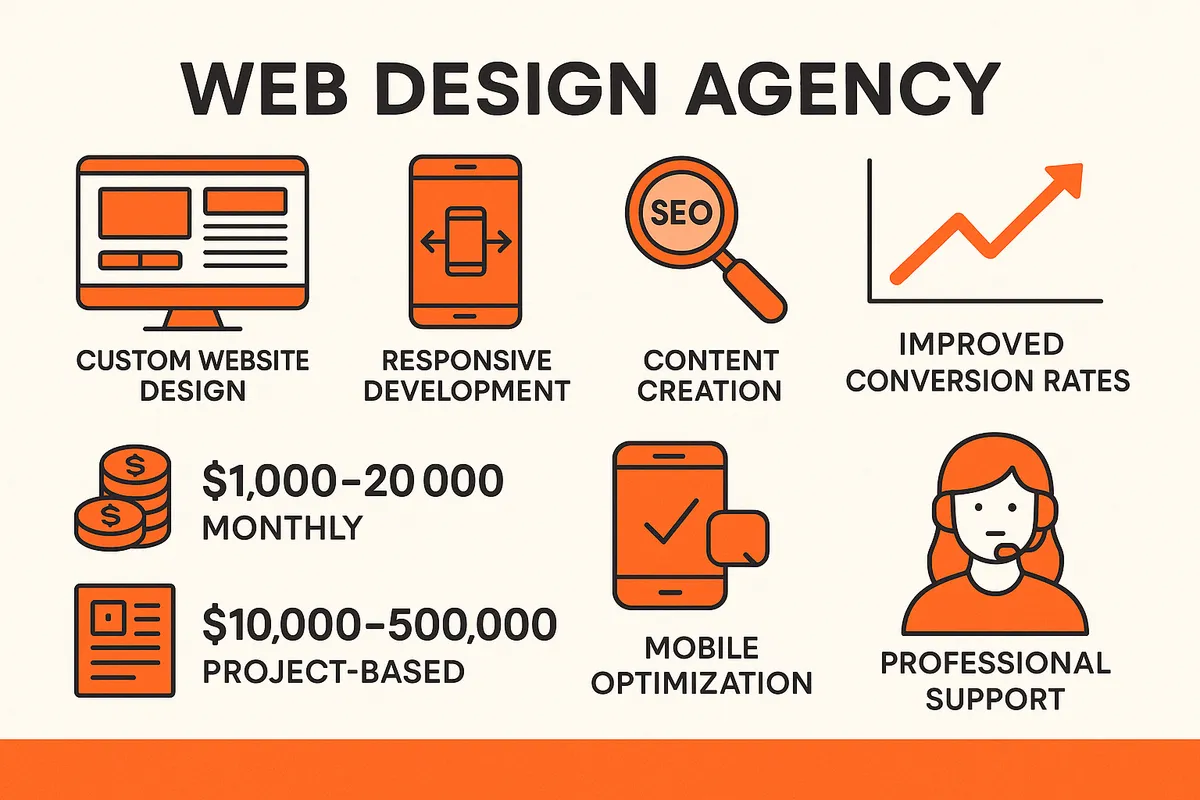
Web Design Agency: Key Facts
* Offers services including web design, development, SEO, content creation, and digital marketing
* Average cost ranges from $1,000-$20,000 for retained monthly services
* Project-based work typically costs between $10,000-$500,000 depending on complexity
* 38% of users will stop engaging with websites that have unattractive designs
* For every $1 spent on email marketing through agencies, businesses earn an average of $38
The digital landscape has transformed dramatically over the past decade. What was once a nice-to-have for businesses has become an absolute necessity. Your website is no longer just a digital business card – it's often the first impression potential customers have of your brand.
As a small business owner, you're likely familiar with the frustration of maintaining an outdated website that loads slowly and fails to attract new customers. You know you need something better, but the technical aspects feel overwhelming.
That's where web design agencies enter the picture. They bridge the gap between your business goals and the technical expertise needed to achieve them online.
Why consider a web design agency? Beyond just creating a pretty website, these specialized teams integrate critical elements like responsive design, search engine optimization, and conversion-focused layouts that directly impact your bottom line.
The numbers speak for themselves: businesses partnering with digital agencies report significant increases in website traffic, lead generation, and overall online visibility. Some case studies show traffic increases of up to 400% and conversion rate improvements exceeding 50% after professional redesigns.
Whether you're launching a new business or revitalizing an existing one, understanding what a web design agency offers – and whether it's worth the investment – is crucial for making informed decisions about your digital presence.
The Rising Demand for Web Design Agencies
The digital landscape has transformed dramatically in recent years, creating a boom in demand for professional web design services. As businesses of all sizes recognize that their online presence is no longer optional, the market for web design agencies continues to grow at an impressive pace.
Let's face it – first impressions matter online. A striking 38% of users will immediately click away from a website that looks unattractive or feels outdated. That's more than a third of your potential customers lost before they even learn what your business offers! In today's competitive market, that's simply too high a price to pay for subpar design.
"Our experience at GNV Web Design confirms what the research shows," says our lead designer. "Clients come to us after realizing that their DIY website or outdated design is actively driving customers away rather than converting them."
The COVID-19 pandemic only accelerated this digital shift, pushing even the most traditional brick-and-mortar businesses to establish or improve their online storefronts. From family restaurants in Gainesville to manufacturing companies in Tampa, businesses across Florida and beyond are investing in professional web design not as a luxury, but as a necessity for survival and growth.
This widespread digital change represents an exciting opportunity for those considering starting a web design agency. With businesses continuously seeking to improve their online presence, the demand for skilled designers and developers shows no signs of slowing down.
Why Businesses Need Professional Web Design Services
Today's businesses aren't just looking for websites – they're seeking digital experiences that convert visitors into loyal customers. Here's why professional web design has become essential:
A professional website dramatically improves online presence by establishing credibility and trust. For many potential customers, your website is their first interaction with your brand. As one of our clients in Jacksonville recently told us, "My new website finally reflects the quality of service I provide in person."
User experience has become the make-or-break factor in online success. Modern websites must load quickly, steer intuitively, and display perfectly across all devices – from desktop computers to smartphones. Professional designers understand the psychology behind creating experiences that keep visitors engaged and moving toward conversion.
In crowded markets, your website can be your most powerful competitive advantage. We've seen this with our clients in Tallahassee and Ocala, where businesses that invest in quality web design consistently outperform their competitors in online visibility and customer acquisition.
The technical expertise that professional designers bring is invaluable. From responsive design to security protocols to accessibility standards – these specialized skills take years to develop. Most business owners simply don't have the time to master these technical aspects while also running their companies.
Perhaps most importantly, professional web design provides ongoing support and optimization. As one client from Gainesville noted, "What I value most is knowing I have a team I can call when something needs updating or fixing."
The reality is that most businesses lack the in-house expertise to create and maintain a high-quality website. Partnering with a web design agency provides access to a team of specialists who understand not just design principles, but also user behavior, technical implementation, and digital marketing strategy. This holistic approach is what transforms a simple website into a powerful business asset.

Pros and Cons of Starting a Web Design Agency
Let's be honest – starting your own web design agency is both thrilling and terrifying. As someone who's spent years in the industry, I've seen agencies flourish and others close their doors within months. Before you take the plunge, let's look at what you're really getting into.
The web design world is a bit like Florida weather – sunny opportunities with occasional storms of challenges. Here's what you need to know:
| Advantages | Challenges |
|---|---|
| Growing market demand | Highly competitive industry |
| Potential for high profit margins | Constant need to update skills |
| Low initial startup costs | Client acquisition difficulties |
| Creative freedom and flexibility | Managing client expectations |
| Scalable business model | Feast or famine workflow cycles |
| Opportunity to work with diverse clients | Need for multiple skill sets |
| Location flexibility (can be run remotely) | Long hours, especially initially |
Advantages of Launching Your Own Web Design Agency
Access to a Growing Market: It's a great time to be in web design. Businesses from mom-and-pop shops to corporate giants are investing in their online presence like never before. According to the latest research on digital agency growth, this upward trend isn't slowing down anytime soon.
Potential for High Revenue: Let's talk money – because it matters. A well-run web design agency can be surprisingly profitable. Small projects might start at a few thousand dollars, while complex enterprise builds can reach six figures. Even better, monthly retainers ($1,000-$20,000) create predictable income that helps you sleep at night.
I remember chatting with a former colleague who started his agency in Tampa. Over coffee, he confided, "The first year was ramen noodles and late nights. But now, five years in, we're growing 25% annually. Finding our niche changed everything."
Creative Freedom: Running your own shop means no more compromising your vision because "the boss said so." You get to choose clients you're passionate about and projects that make your creative heart sing. Want to specialize in eco-friendly businesses or focus on accessibility? That's entirely your call.
Flexible Work Environment: The days of mandatory cubicle life are over. Many successful agencies operate with remote teams across different time zones. This flexibility not only reduces overhead but also lets you hire talent regardless of location. Plus, working in pajama pants occasionally is a nice perk!
Challenges to Consider Before Starting
High Competition: I won't sugarcoat it – the web design market is crowded. From solo freelancers charging $500 for a site to massive agencies with seven-figure minimums, you'll need to carve out your unique space. Standing out requires more than just good design skills.
A designer who recently joined us at GNV Web Design put it perfectly: "I thought great design would be enough to succeed. I was wrong. Marketing my agency was a full-time job I wasn't prepared for."
Need for Continual Skill Development: Remember when we thought responsive design was cutting-edge? The web moves at lightning speed. Today's innovation is tomorrow's baseline expectation. You'll need to constantly learn new frameworks, design trends, and technologies. That exciting new skill you just mastered? It might be obsolete next year.
Initial Investment Costs: While you can start with just a laptop and determination, building a professional agency requires investment. Quality design tools, project management software, accounting systems, marketing costs – they add up quickly. Don't forget to budget for those months when client payments are delayed but your bills aren't.
Client Acquisition Strategies: Finding clients is often the biggest hurdle for new agencies. Without a proven track record, convincing businesses to trust you with their digital presence can be an uphill battle. You'll need a solid strategy for networking, marketing, and demonstrating your value.
The truth about running a web design agency is that it's both rewarding and challenging in ways you might not expect. The freedom to create on your own terms comes with the responsibility of wearing many hats – designer, salesperson, project manager, accountant, and sometimes therapist for anxious clients.
Is it worth it? For many of us, absolutely. But success requires more than design talent – it demands business savvy, people skills, and resilience when things get tough.
Incorporating Cutting-Edge Technologies
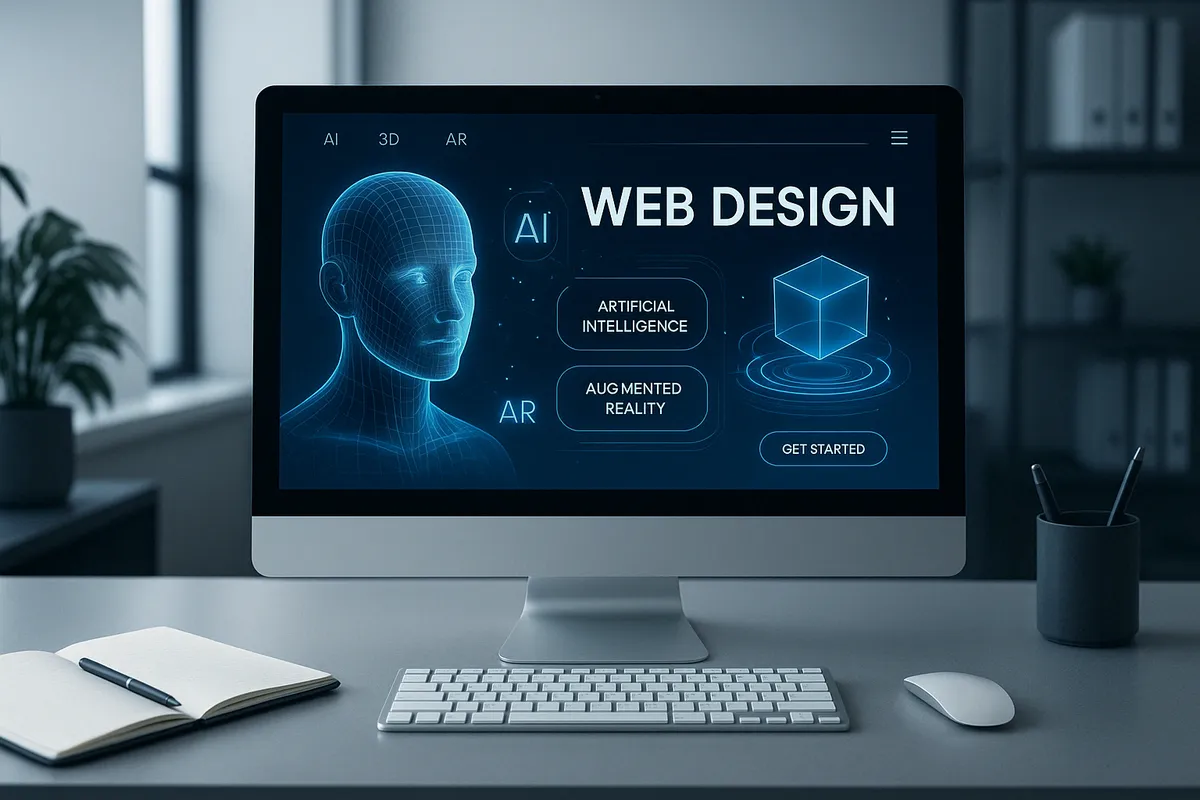
In today's rapidly evolving digital landscape, a successful web design agency must do more than just create visually appealing websites. Incorporating cutting-edge technologies like AI, 3D elements, and augmented reality (AR) has become increasingly important for agencies looking to stand out and deliver exceptional value to clients.
"We are what we repeatedly do. Excellence, therefore, is not an act but a habit," goes the famous quote often attributed to Aristotle. For modern web design agencies, excellence increasingly means embracing and mastering emerging technologies.
At GNV Web Design, we've seen how innovative technologies transform real business outcomes. Take our Ocala-based e-commerce client who experienced a 32% jump in customer engagement after we implemented 3D product visualization. Suddenly, customers could view products from every angle, and their hesitation to purchase online melted away.
The technology landscape is rich with possibilities. Artificial intelligence now powers everything from personalized shopping experiences to intelligent chatbots that answer customer questions at 3 AM (when your team is hopefully getting some well-deserved rest). 3D design elements have evolved from gimmicky effects to powerful tools that showcase products and services in ways that flat images simply can't match. Augmented reality lets customers visualize furniture in their living room or try on glasses without leaving home.
And let's not forget voice interfaces that make websites accessible to everyone, including those with disabilities or who simply prefer talking to typing. Even subtle motion UI elements can guide users through your client's website with intuitive cues that feel natural and engaging.
How Tech Innovations Give Your Agency a Competitive Edge
When you accept these technologies, you're not just creating prettier websites – you're fundamentally changing how businesses connect with their customers.
Our Jacksonville client put it best after we implemented interactive 3D elements on their site: "It's like we finally invited customers into our showroom instead of making them look through the window." Their average time on site jumped by 45%, and their conversion rate followed suit.
Tech-savvy clients naturally gravitate toward agencies that demonstrate innovation. As one of our Tallahassee clients told us, "We chose GNV Web Design specifically because they showed us how AI-driven personalization could transform our user experience. Other agencies were still focused solely on static design elements – it felt like comparing a smartphone to a flip phone."
In a market where thousands of web design agencies compete for the same clients, technological expertise provides a clear way to stand out. When a potential client sees how you've used AR to help a furniture store increase sales by 28%, they're not just buying web design – they're investing in business change.
These advanced implementations also command premium pricing. Rather than competing in a race to the bottom on price, you can position your agency as a high-value partner delivering solutions that truly move the needle for clients.
Investment in Technology and Training
Of course, bringing cutting-edge technology to your clients isn't without challenges. The tools and platforms required for quality 3D design and AR development often come with substantial subscription costs. You might need to hire specialists or invest in training your current team.
At GNV Web Design, we dedicate at least 10% of our team's time to learning and experimenting with new technologies. It's not cheap, but we've found it's impossible to deliver innovative solutions without creating space for innovation to happen.
The biggest challenge isn't technical – it's strategic. Not every client needs (or benefits from) cutting-edge technology. As our senior developer often reminds us, "The key is understanding which technologies solve real problems for specific clients, rather than implementing something flashy just because we can."
Sometimes a simple, lightning-fast website with crystal-clear messaging outperforms a technological marvel that confuses visitors or slows down page loading. The art lies in knowing when to deploy advanced solutions and when to keep things neatly simple.
For agencies just beginning to explore this territory, we recommend mastering one technology area before expanding. Build genuine expertise and case studies that demonstrate clear client benefits rather than offering superficial implementation across multiple technologies. Your clients will appreciate depth over breadth, especially when that depth translates to measurable business results.
Measuring Success in the Web Design Industry
Success in the web design industry isn't just about creating beautiful websites. For a thriving web design agency, it's about delivering measurable results that make a real difference to clients' businesses. Those pretty pixels need to translate into actual business growth.
When we talk with clients at GNV Web Design, we often remind them that a website should be treated as an investment rather than an expense. Like any good investment, you should expect returns – and be able to measure them.
The Role of Awards and Recognition
Industry recognition serves as powerful social proof that can transform how potential clients view your agency. When Digital Silk was named Agency of the Year, it wasn't just a fancy certificate to hang on the wall – it became a compelling reason for new clients to trust them with their digital presence.
"Awards aren't just trophies for the shelf," our creative director often says with a smile. "They're third-party validation that gives potential clients confidence in your capabilities before they even speak with you."
In Gainesville, we've found that even local business awards can be incredibly valuable when targeting regional clients. They show that you're an established part of the community, not just another faceless online service provider. Being recognized as "Best Web Design Company in North Central Florida" helped us connect with several local businesses who wanted to work with a trusted neighbor.
The most respected accolades in our industry include Awwwards recognition for exceptional design, CSS Design Awards for technical implementation, and WebAwards for overall excellence. But remember – only pursue awards that align with your agency's strengths and the markets you serve. Quality always trumps quantity when it comes to industry recognition.
Client Outcomes and Testimonials
While shiny trophies look great in the office, nothing builds a reputation like delivering real results. The most successful agencies obsessively track and showcase specific client outcomes.
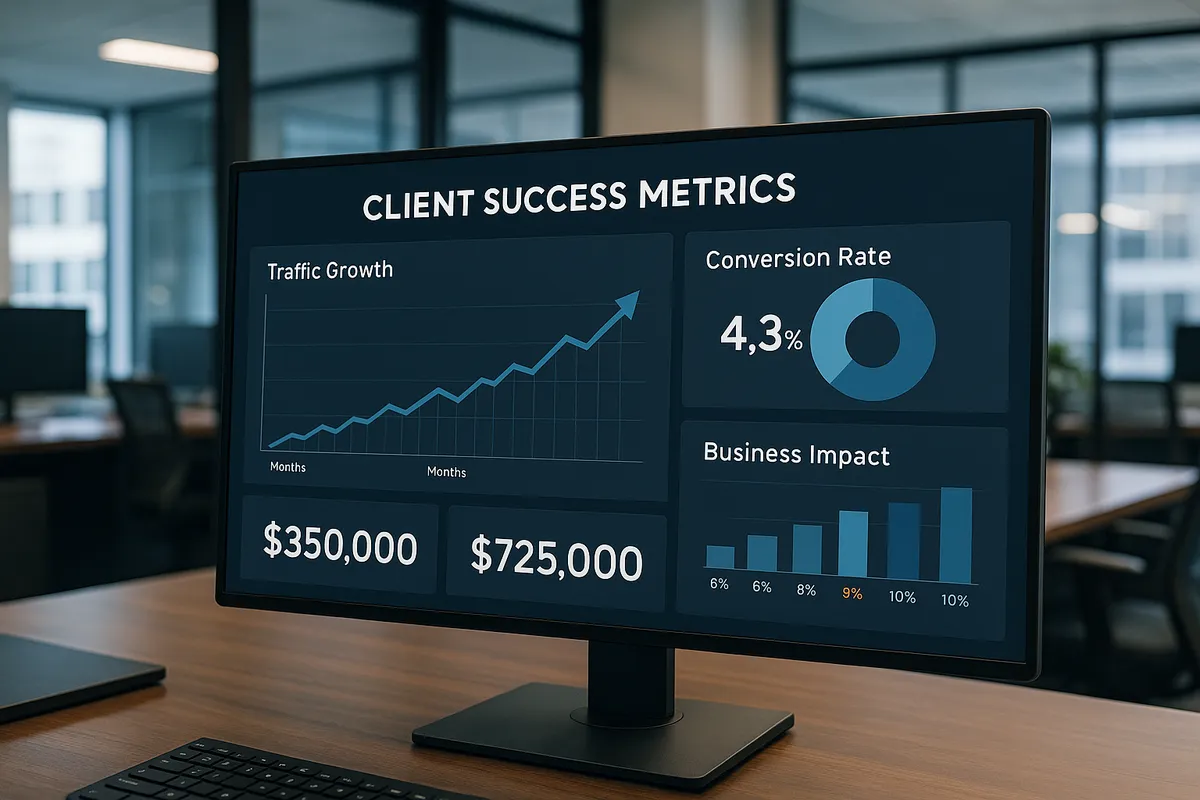
We've seen how redesigns can transform businesses. A healthcare provider in Jacksonville experienced a 215% increase in organic traffic within six months of launching their new site. The practice owner called us, practically giddy, to share that they were having to hire additional staff to handle the influx of new patients.
Conversion improvements tell an even more compelling story. A local retail client in Ocala watched their conversion rate jump from 1.2% to 3.8% after implementing our recommended UX improvements. For them, this wasn't just a statistic – it represented thousands of dollars in additional monthly revenue.
Perhaps the most meaningful measure of success is client retention. At GNV Web Design, we take particular pride in the fact that over 80% of our clients continue working with us long after their initial website launch. They stay for ongoing maintenance, updates, and marketing services because they've experienced the value we deliver.
One of our long-term clients in Tallahassee perfectly captured our philosophy when they said: "Success isn't just about the end product; it's about the journey we take with our clients. GNV Web Design has been a true partner in our growth, not just a vendor."
Client testimonials provide powerful validation of your work. As one satisfied client shared: "I've worked with several web design companies in the past, but one of them excelled the way this team did. From start to finish, they were very friendly and informative. They designed a perfect website that complemented my brand, and I've received a heavy influx in leads since its completion."
The most effective approach combines hard numbers (traffic increases, conversion rates, search rankings) with these human stories of change. Together, they paint a complete picture of how your web design agency delivers both technical excellence and genuine business value.
After all, your success is ultimately measured by your clients' success. When they win, you win – and that's something worth celebrating far more than any award.
Pricing Models and Revenue Streams
Setting the right price for your services can make or break your web design agency. It's not just about covering costs—it's about communicating your value while ensuring you can grow a sustainable business.
Finding the Right Pricing Strategy for Your Agency
When we started GNV Web Design, figuring out our pricing was one of our biggest challenges. We wanted to be competitive but also reflect the quality of our work. After some trial and error, we finded what works for us—and what might work for you too.
| Pricing Model | Description | Best For | Typical Range |
|---|---|---|---|
| Hourly Rate | Charging a set rate for each hour worked | Small projects, maintenance | $50-$250/hour |
| Fixed Project Fee | One-time fee for a defined scope | Website builds, redesigns | $5,000-$100,000+ |
| Monthly Retainer | Ongoing fee for continuous services | Maintenance, marketing | $1,000-$20,000/month |
| Value-Based Pricing | Fees based on projected ROI | High-impact projects | Varies widely |
| Performance-Based | Payment tied to specific results | Marketing campaigns | Base + performance bonus |
Most successful agencies don't stick rigidly to just one model. Here in Gainesville, we've found that a hybrid approach serves both our clients and our business best. For example, we might quote a fixed fee for building a new website, then offer a monthly retainer for ongoing updates and support.
"Finding that sweet spot between what clients are willing to pay and what you need to charge to be profitable takes time," our operations director often tells new team members. "We price differently for our Gainesville small businesses than we do for our larger Tampa clients—because their budgets, expectations, and the value they receive are different."
When developing your pricing strategy, start by researching what competitors charge, but don't stop there. Calculate your actual costs (including those easy-to-forget overhead expenses), consider your market positioning, and most importantly—build in enough margin to sustain your business through inevitable slow periods.
Being transparent about your pricing builds trust with potential clients. You don't need to publish your rates on your website, but having clear internal guidelines helps you provide consistent quotes and set appropriate expectations from the beginning.
Diversifying Services for Increased Revenue
The truth is, website design projects alone won't sustain most agencies. They're one-time projects with natural endpoints. The real financial stability comes from diversifying your service offerings to create ongoing revenue streams.

SEO and content marketing services are natural extensions of web design. Once you've built a beautiful website, clients need help making sure people can find it. Our SEO packages start at $750/month, providing reliable recurring revenue while delivering ongoing value to clients.
PPC and digital advertising management helps clients drive immediate traffic while they wait for organic SEO results. Most agencies charge either 15-20% of ad spend or a flat monthly fee of $500-2,500 depending on campaign complexity.
Social media management bridges the gap between a client's website and their broader online presence. Our clients in Ocala and Jacksonville particularly value this service, with packages ranging from $500 for basic posting to $5,000+ for comprehensive strategies.
Email marketing delivers an incredible ROI—about $38 for every $1 spent—making it both valuable to clients and profitable for agencies. We offer everything from template design to full campaign management, often bundled with other services.
Website maintenance and support plans are perhaps the easiest upsell after a website launch. At GNV Web Design, our care plans start at just $99/month and include regular updates, security monitoring, and technical support. Almost 80% of our web design clients convert to a maintenance plan, creating predictable monthly revenue.
As we explain in our blog post on The Synergy of Web Development and Digital Marketing, these services naturally complement each other. When one team handles both the website and marketing efforts, the results are typically stronger and more cohesive.
One of our long-term clients in Tallahassee recently told us: "I came to you just needing a new website, but having your team handle our Google Ads and SEO has been a game-changer. Everything works together now, and I only have to make one call when I need something."
By thoughtfully expanding your service offerings, you transform one-off project clients into long-term partners. This creates more stable revenue for your agency and delivers better overall results for your clients—a genuine win-win.
Ensuring Accessibility and Inclusivity in Your Designs
Creating websites that everyone can use isn't just ethically right—it makes perfect business sense too. As a web design agency, we've seen how prioritizing accessibility opens doors to wider audiences while protecting clients from potential legal headaches.
Best Practices for Inclusive Web Design
At GNV Web Design, we believe beautiful websites should work for everyone, regardless of their abilities or how they access the internet. When we partner with clients in Gainesville or beyond, we bake accessibility into every project from day one.
Responsive design is absolutely non-negotiable in today's multi-device world. As we often tell our clients, your website needs to look and function beautifully whether someone's viewing it on a massive desktop monitor or a tiny smartphone screen. We dive deeper into this in our guide on Responsive Web Design: A Nonnegotiable, but the bottom line is simple: equal access for all users, regardless of device.
Behind the scenes, we build with semantic HTML structure that helps screen readers steer content logically. This might sound technical, but it makes a world of difference for users with visual impairments. Proper heading hierarchies, descriptive link text (no more "click here" links!), and clearly labeled forms create a smoother experience for everyone.
Images need to tell their story to everyone, which is why we're sticklers for detailed alt text. One of our Jacksonville clients recently shared a touching email from a visually impaired customer who specifically thanked them for having a website where "the images actually make sense" thanks to thoughtful descriptions.
"We never realized how many potential customers we were excluding until GNV Web Design overhauled our site," a Tampa business owner told us. "Now we regularly hear from people using screen readers who appreciate being able to steer our content easily."
We're equally passionate about color contrast and readability. Those sleek light gray fonts on white backgrounds might look minimalist and modern, but they're a nightmare for people with visual impairments or aging eyes. We design with sufficient contrast and carefully selected fonts that remain readable across all screen sizes.
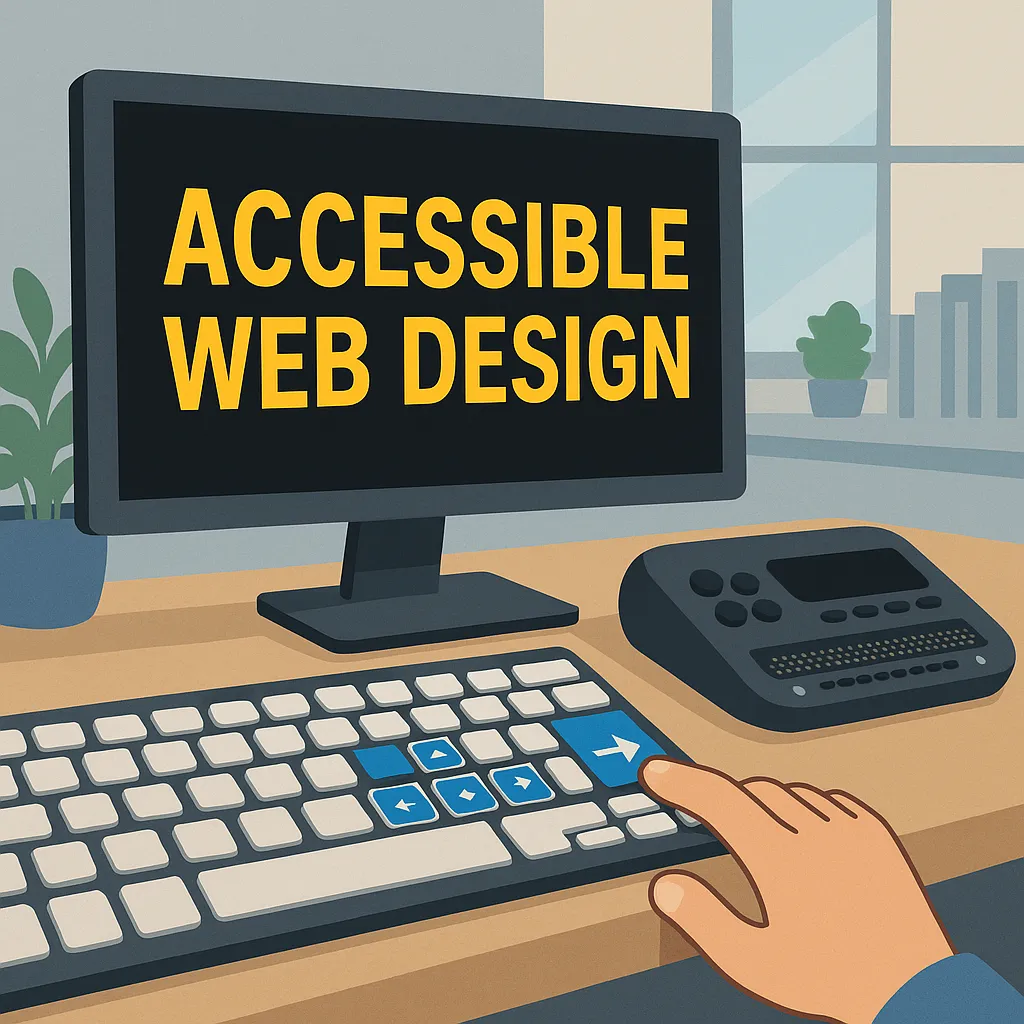
Not everyone uses a mouse or touchscreen. Some visitors rely on keyboard navigation due to motor impairments or personal preference. We ensure interfaces can be fully steerd using just a keyboard, with clear visual indicators showing which element is currently selected.
For multimedia content, we encourage clients to include captions and transcripts. This makes videos and podcasts accessible to deaf and hard-of-hearing users—and as a bonus, many people without hearing impairments prefer captions too, especially when browsing in public places.
The Business Case for Accessibility
The moral argument for accessibility is compelling on its own, but there's also a strong business case that resonates with our clients:
About 26% of American adults have some type of disability—that's a massive potential audience you might be excluding with an inaccessible website. As we often remind our Ocala and Tallahassee clients, inaccessible design essentially hangs a "not welcome" sign for one in four potential customers.
What's fascinating is how accessibility improvements benefit everyone. Those video captions? They're perfect for people watching in noisy coffee shops or late at night with sleeping partners nearby. Those clear, logical navigation patterns? They help everyone find information faster, not just screen reader users.
Your SEO efforts get a nice boost too. Many accessibility best practices—like proper heading structure, descriptive alt text, and content transcripts—are exactly what search engines look for when ranking sites. One of our Gainesville clients saw their organic traffic increase by 28% after we implemented comprehensive accessibility improvements.
The legal landscape around web accessibility continues to evolve, with ADA-related lawsuits increasing dramatically in recent years. Creating accessible sites isn't just inclusive—it's protective. We've had several clients come to us specifically after competitors faced legal challenges over inaccessible websites.
Perhaps most importantly, brands that prioritize inclusion are increasingly valued by consumers across all demographics. In a recent survey, 71% of consumers said they view brands more positively when they demonstrate commitment to accessibility.
"Accessibility should never be an afterthought," our lead developer often says. "When woven into the design process from the beginning, it becomes a natural extension of good design rather than a burdensome requirement."
As we explain in our article on Custom Web Solution Over a Template, custom websites allow us to thoughtfully incorporate accessibility while maintaining stunning design. The two aren't mutually exclusive—in fact, they complement each other beautifully.
By making accessibility a cornerstone of your web design agency's approach, you not only create better websites but also demonstrate that you truly care about your clients' entire audience and long-term business success. At GNV Web Design, we wouldn't have it any other way.
Is Starting a Web Design Agency Worth the Hype?
After exploring the various aspects of running a web design agency, the question remains: Is it truly worth it? The answer, like most things in business, is nuanced and depends on your specific circumstances, goals, and expectations.
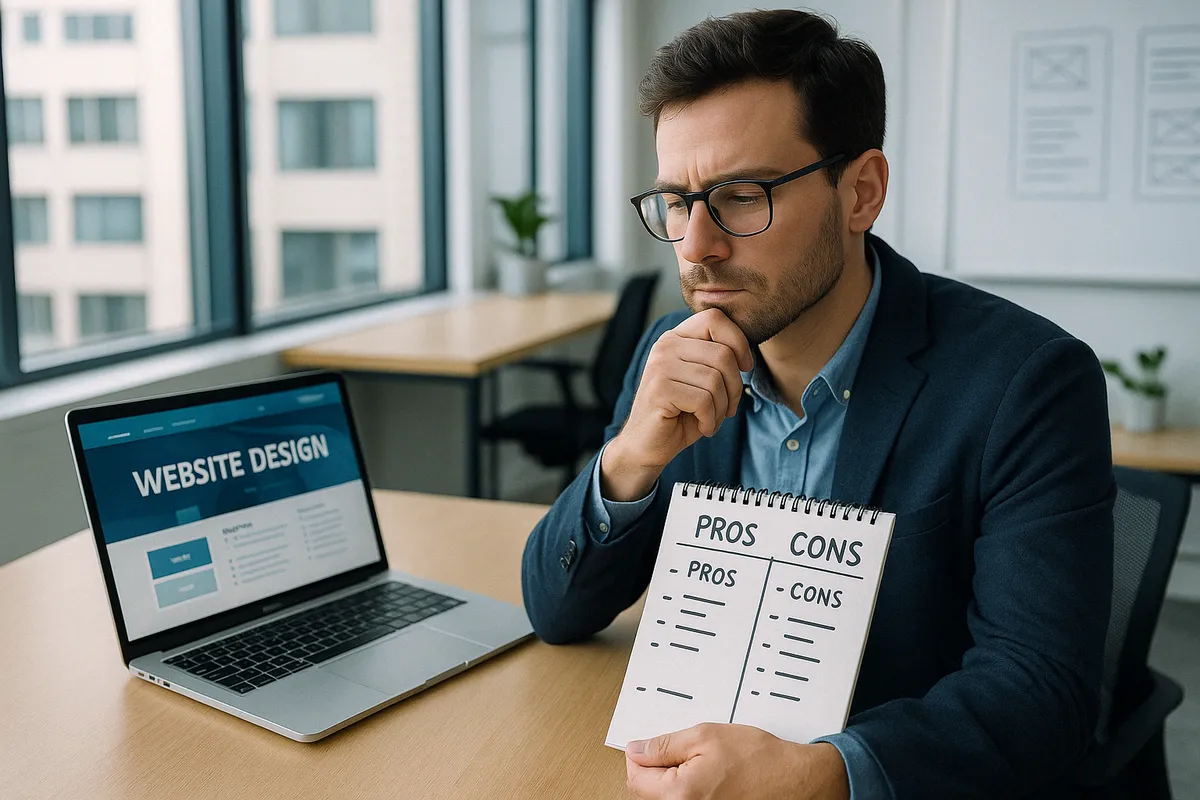
Final Thoughts on Entering the Web Design Industry
The digital world loves to paint entrepreneurial ventures with broad, glamorous strokes. You've probably seen the Instagram posts – happy agency owners working from exotic beaches, closing five-figure deals between sips of coconut water. But let's have an honest conversation about what starting a web design agency really entails.
"When I started in this industry, I believed the hype about easy money and freedom," shares our founder at GNV Web Design. "The reality was months of hustle, sleepless nights worrying about the next client, and constantly learning new technologies. But for those willing to push through those early challenges, the rewards can be substantial."
The truth is, building a successful agency requires genuine expertise, determined business acumen, and the resilience to weather inevitable slow periods. It's not a path to overnight success – it's a journey that demands commitment and patience.
That said, the opportunity is genuinely exciting. With 38% of users abandoning unattractive websites, businesses have a clear financial incentive to invest in quality web design. The digital change sweeping through all industries means even traditionally offline businesses now recognize the need for professional online presence.
We've watched numerous agencies flourish and fail over the years, and the successful ones typically share some common characteristics. They bring genuine technical and design expertise to the table – not just surface-level skills. They've found their sweet spot through clear specialization, either in a particular service niche or by serving specific industries exceptionally well.
Behind the creative work, they've built strong business fundamentals – they know how to manage projects efficiently, communicate effectively with clients, and handle the sales process without anxiety. Perhaps most importantly, successful agency owners display remarkable adaptability as technologies and market demands evolve.
Your location matters more than you might think. In our experience serving clients across Florida—from Gainesville and Ocala to Tampa, Jacksonville, and Tallahassee—we've found that each market has its own personality and price sensitivity. Larger markets offer more opportunities but bring significantly more competition. Smaller markets might have less competition but potentially smaller budgets.
The good news? The pandemic has dramatically accelerated the acceptance of remote work, opening possibilities for agencies to serve clients nationwide or even globally. This expanded reach can be a game-changer for agencies in smaller markets like Gainesville, allowing you to tap into higher-budget markets while maintaining lower overhead costs.
Perhaps the most overlooked consideration is lifestyle alignment. Running a web design agency should complement your desired way of living and working. Do you genuinely enjoy client interaction? Can you handle the sometimes unpredictable feast-or-famine cycles common in agency work? Are you comfortable leading sales conversations and negotiating contracts? These personal factors often determine satisfaction more than profit margins.
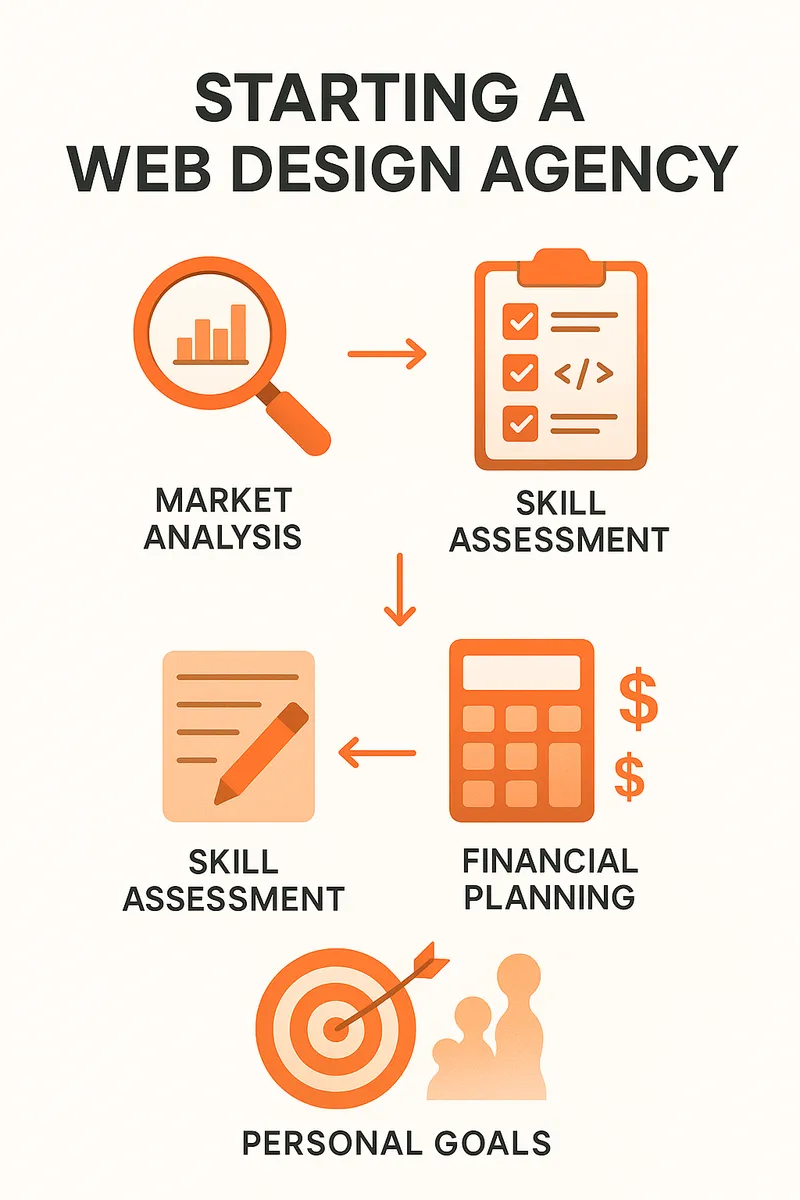
For those with the right combination of skills, temperament, and business sense, a web design agency can provide a deeply fulfilling career path. There's something uniquely satisfying about helping businesses transform their digital presence and watching their success grow as a result of your work.
As one of our long-term clients in Ocala recently told us: "Working with GNV Web Design transformed not just our website, but our entire approach to digital marketing. The right agency partnership can be truly transformative for a business."
Whether you're considering starting your own agency or partnering with an established one like GNV Web Design, the web design industry continues to offer meaningful opportunities for those committed to delivering genuine value in our increasingly digital world. The hype may be overblown, but the underlying opportunity is very real for those willing to approach it with eyes wide open.
Frequently Asked Questions about Starting a Web Design Agency
What Skills Are Essential for Starting a Web Design Agency?
Starting a successful web design agency isn't just about making pretty websites. It requires a blend of technical know-how, business savvy, and people skills that many aspiring agency owners don't initially realize.
On the technical side, you'll need a solid foundation in HTML, CSS, and JavaScript – the building blocks of modern websites. Understanding responsive design principles is absolutely crucial in today's mobile-first world. You should also be comfortable working with popular content management systems like WordPress or Shopify, as they'll likely form the backbone of many client projects.
"The technical skills get you in the door, but the business skills keep you there," our operations director at GNV Web Design often tells new team members. "I've seen incredibly talented designers struggle as agency owners because they underestimated how much time they'd spend on sales calls, managing projects, and handling client expectations."
Beyond design and development skills, you'll need to wear many hats – especially in the beginning. You'll be the sales team crafting compelling proposals, the project manager keeping everything on track, the accountant figuring out pricing, and the customer service department handling client concerns.
Don't panic if you don't possess every skill right away. Many successful agencies start with strategic partnerships to fill gaps. Perhaps you're a brilliant designer who partners with a technically-minded developer, or maybe you outsource specialized services like copywriting until you can bring those capabilities in-house.
What's truly essential is a willingness to learn continuously and adapt to changing technologies and client needs. The web design landscape evolves rapidly, and staying current is part of the job.
How Much Capital Is Needed to Start?
The beauty of starting a web design agency is that your initial investment can be relatively modest compared to many other businesses. There's no inventory to stock or expensive manufacturing equipment to purchase. However, the amount you'll need varies dramatically based on your approach and ambitions.
At the bare minimum, you could launch with as little as $2,000-$5,000. This budget would cover basic computer equipment, essential software subscriptions, business registration fees, and a simple website showcasing your portfolio. This bootstrap approach is how many successful agencies begin.
"We started GNV Web Design with minimal overhead, working from home offices and reinvesting profits into growth," our founder often reminisces. "This bootstrap approach meant slower growth initially but gave us the freedom to be selective about clients and projects. We weren't desperate to take on problematic clients just to make rent."
A moderate investment of $10,000-$25,000 allows for higher-end equipment, a more comprehensive software suite, professional branding materials, possibly a co-working space membership, and a modest marketing budget to get your name out there.
For those planning a full-scale launch with a team from day one, expect to invest $50,000 or more to cover initial salaries, dedicated office space, and a more substantial marketing campaign. This approach gets you up and running faster but comes with greater financial risk.
Your ongoing expenses will include software subscriptions (design tools, project management platforms, accounting systems), marketing costs, legal and administrative fees, equipment updates, and eventually team member compensation. Many successful agencies start lean and scale gradually as they secure clients and establish recurring revenue streams.
Your most valuable investment isn't necessarily financial – it's the time you'll spend building relationships, perfecting your craft, and establishing your agency's reputation in the marketplace.
How Can I Differentiate My Agency in a Saturated Market?
With thousands of web design agencies competing for clients, finding your unique place in the market is perhaps the biggest challenge you'll face. Generic claims about "quality design" or "great service" simply won't cut it – every agency says the same thing.
Industry specialization has been a game-changer for many successful agencies. Rather than trying to serve everyone, consider focusing on specific industries where you have experience or passion. At GNV Web Design, we've found that our expertise in local service businesses across Florida has helped us win clients in Gainesville, Tampa, Jacksonville, Tallahassee, and Ocala. When a restaurant owner sees that you've successfully designed websites for other restaurants, they'll immediately feel more confident in your understanding of their needs.
Your process can also be a powerful differentiator. Clients often come to us after frustrating experiences with agencies that disappeared after launch or nickeled-and-dimed them for every small change. Our comprehensive support model with unlimited edits has become one of our most compelling selling points – clients love knowing they won't receive an invoice every time they need a small text change.
Technical expertise in emerging technologies can also set you apart. While every agency should master responsive design (as we discuss in our article on Responsive Web Design: A Nonnegotiable), developing specialties in areas like e-commerce optimization, accessibility compliance, or interactive experiences can attract clients with specific needs.
Your agency's personality matters too. Some clients want a buttoned-up, corporate partner while others prefer working with a more casual, creative team. Being authentic in your brand presentation helps attract clients who will appreciate your style and approach.
"We chose GNV Web Design because their portfolio showed they really understood our industry," a client recently told us. "Their blog demonstrated genuine expertise rather than the generic advice we'd seen elsewhere. It was clear they weren't just another template factory."
Perhaps most importantly, focus on results rather than just aesthetics. Beautiful websites are a dime a dozen – websites that actually generate leads, increase sales, and solve business problems are what clients ultimately value. When you can demonstrate how your work drives business outcomes, price becomes less of an objection.
Finding your differentiation sweet spot takes time and often evolves as you gain experience. Listen carefully to why clients choose you and what they value most about working with you – these insights often reveal your most authentic differentiators.
Conclusion
Starting a web design agency offers substantial opportunities but comes with significant challenges. The digital change happening across all industries creates real demand for skilled web designers and developers who can craft effective online experiences.
But success in this competitive field requires more than just design talent. Business savvy, people skills, and the ability to adapt to new technologies are equally important if you want to build something that lasts.
Throughout this article, we've seen that thriving web design agencies typically share certain characteristics. They develop clear specializations rather than trying to be everything to everyone. They accept new technologies while staying focused on delivering tangible results for clients. They create multiple revenue streams through complementary services instead of relying solely on one-off projects.
The most successful agencies also prioritize accessibility and user experience in their designs, recognizing that websites should work for everyone. They build systems to measure and demonstrate client success, turning abstract concepts into concrete metrics. And they establish transparent pricing models that reflect the true value they provide.
If you're thinking about entering this industry, taking a strategic approach is essential. Start by honestly assessing your skills and limitations. Define your target market based on where your strengths can shine brightest. Create a realistic business plan that accounts for the inevitable ups and downs of agency growth.
For business owners who are considering hiring a web design agency rather than starting one, consider partnering with an established firm like GNV Web Design. With locations across Florida—including Gainesville, Tampa, Jacksonville, Tallahassee, and Ocala—we provide custom web development with a focus on creating SEO-friendly websites and offering comprehensive support.
Our approach includes unlimited edits and quick response times, ensuring your website evolves alongside your business. Learn more about GNV Web Design's services and how we can help you steer the complex world of web design and digital marketing.
Whether you're starting an agency or looking to hire one, the web design industry continues to offer meaningful opportunities for those committed to delivering genuine value in our increasingly digital world. The challenges are real, but for those with passion, persistence, and the right approach, the rewards—both creative and financial—can be substantial.

